June 22, 2026
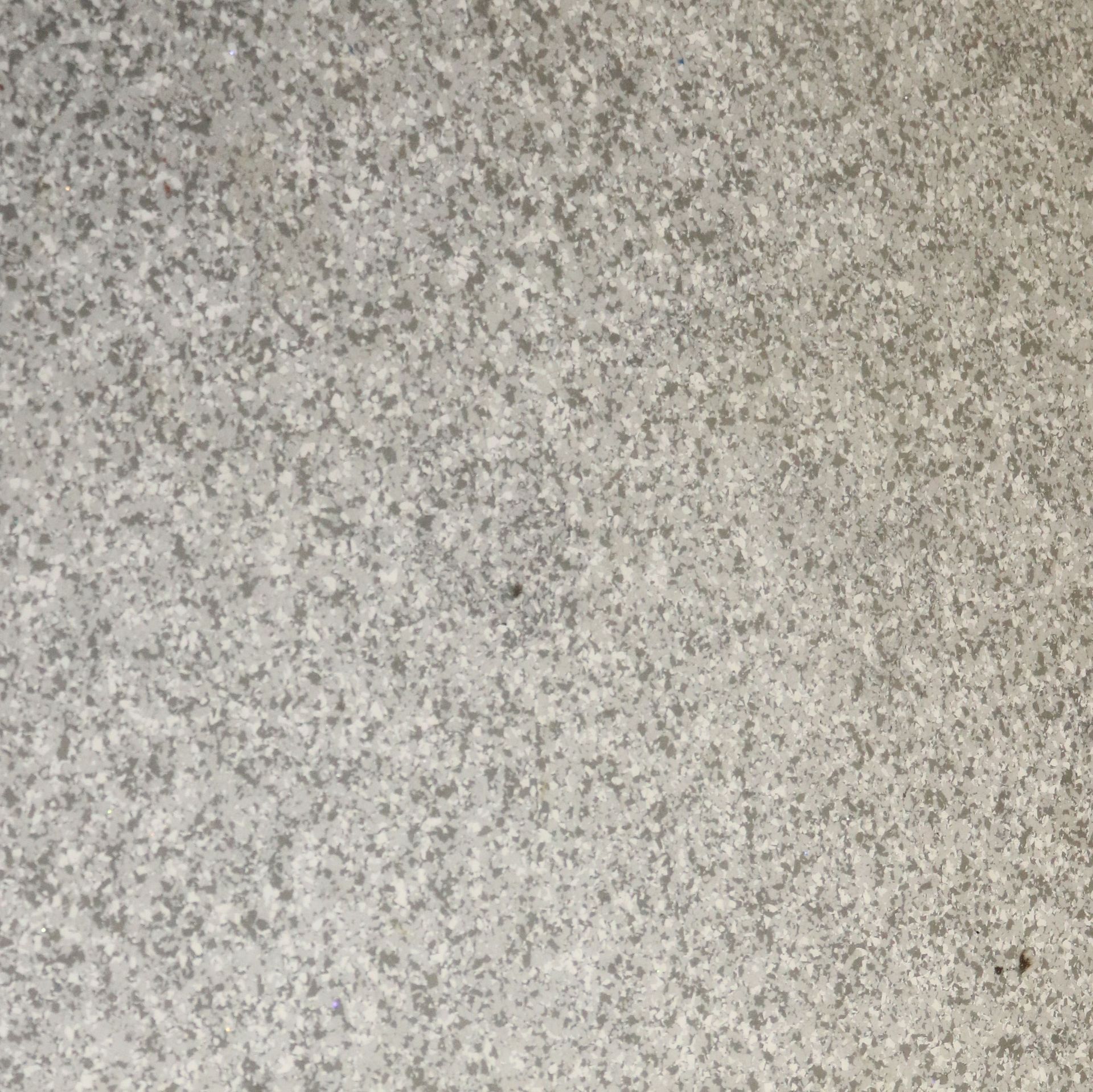
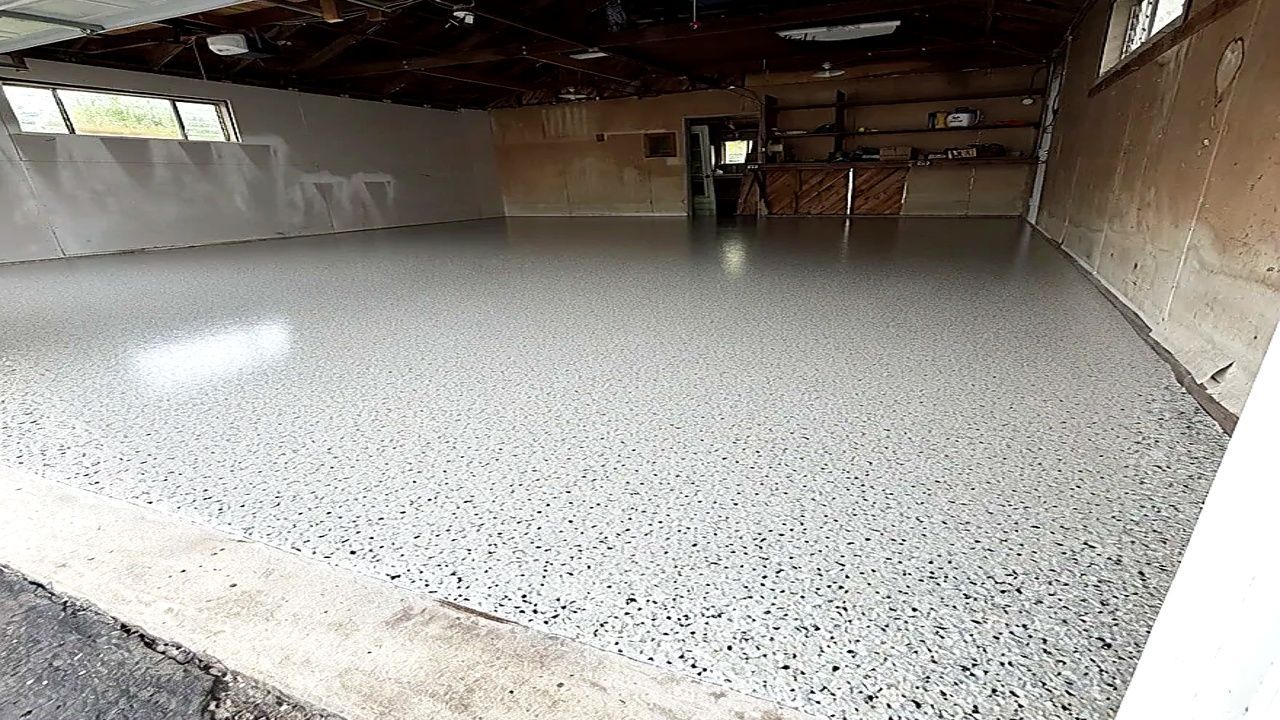
Investing in epoxy flooring is one of the best decisions you can make for your garage, basement, commercial space, or industrial facility. Known for its incredible durability, brilliant high-gloss finish, and seamless appearance, this flooring solution can withstand heavy traffic and harsh conditions. However, despite its tough-as-nails reputation, it is not entirely indestructible.
To maximize your investment and keep your surfaces looking brand new for decades, you need to implement a consistent and proper maintenance routine. Dirt, grit, and accidental spills can dull the shine or compromise the integrity of the coating over time if left unaddressed. Fortunately, keeping your floors in pristine condition is relatively simple when you know the correct techniques and products to use. In this article, you will learn the essential tips and strategies for caring for your epoxy flooring properly.
Establishing a Routine Cleaning Schedule
The foundation of proper floor care lies in consistency. Establishing a regular cleaning schedule prevents the accumulation of abrasive debris that can act like sandpaper under foot traffic. For residential garages or low-traffic areas, a thorough cleaning once a week is usually sufficient. For commercial or industrial spaces, daily attention may be required.
Start by removing loose dust, dirt, and pet hair. A dust mop with a microfiber head is the most effective tool for this job because it traps fine particles without scratching the surface. If you prefer to vacuum, ensure you use a soft brush attachment and disengage the rolling beater bar, as stiff bristles and heavy rotating plastic components can leave faint scratches on the glossy finish.
Addressing Spills and Stains Immediately
While epoxy flooring is highly resistant to moisture and chemicals, allowing liquids to pool on the surface for extended periods is never a good idea. Solvents, harsh chemicals, engine fluids, and even acidic substances like tomato juice or wine can slowly degrade the topcoat or leave unsightly stains if left ignored.
When a spill occurs, wipe it up promptly using a soft microfiber cloth or a paper towel. For larger liquid spills, a floor squeegee is an incredibly efficient tool to herd the liquid toward a drain or a collection point. Keeping a dedicated spill kit nearby ensures that you can react quickly before any chemical reaction has a chance to dull the beautiful shine of your floor.
Choosing the Right Cleaning Solutions
Using the wrong chemical cleaners is one of the fastest ways to ruin your floor's protective topcoat. You must avoid any cleaning products that contain acids, citrus ingredients, vinegar, or ammonia. These substances create a chemical reaction that strips the gloss right off the surface, leaving it looking cloudy and dull.
Instead, opt for a pH-neutral cleaner or a specialized soap-free floor formula designed specifically for resinous surfaces. Surprisingly, one of the best and safest cleaning solutions is simply warm water mixed with a small amount of clear, non-sudsing ammonia (about a half-cup per gallon of water) for heavy-duty cleaning, or a gentle dish soap for standard mopping. Always rinse the floor thoroughly with clean water afterward to prevent a slippery film from forming.
Implementing Gentle Mopping Techniques
Mopping is essential for lifting bound dirt, but your technique matters. Avoid using traditional string mops, which tend to displace dirty water rather than absorb it, often leaving streak marks across the high-gloss surface. Instead, utilize a flat microfiber mop system.
When mopping, use two buckets: one filled with your diluted cleaning solution and another filled with clean rinse water. Dip your microfiber pad into the cleaning solution, mop a section of the floor, and then rinse the dirty pad in the clean water bucket before recharging it with cleaner. This simple two-bucket method ensures you are actually removing the dirt from your environment rather than just spreading it around.
Managing the Initial Curing Process
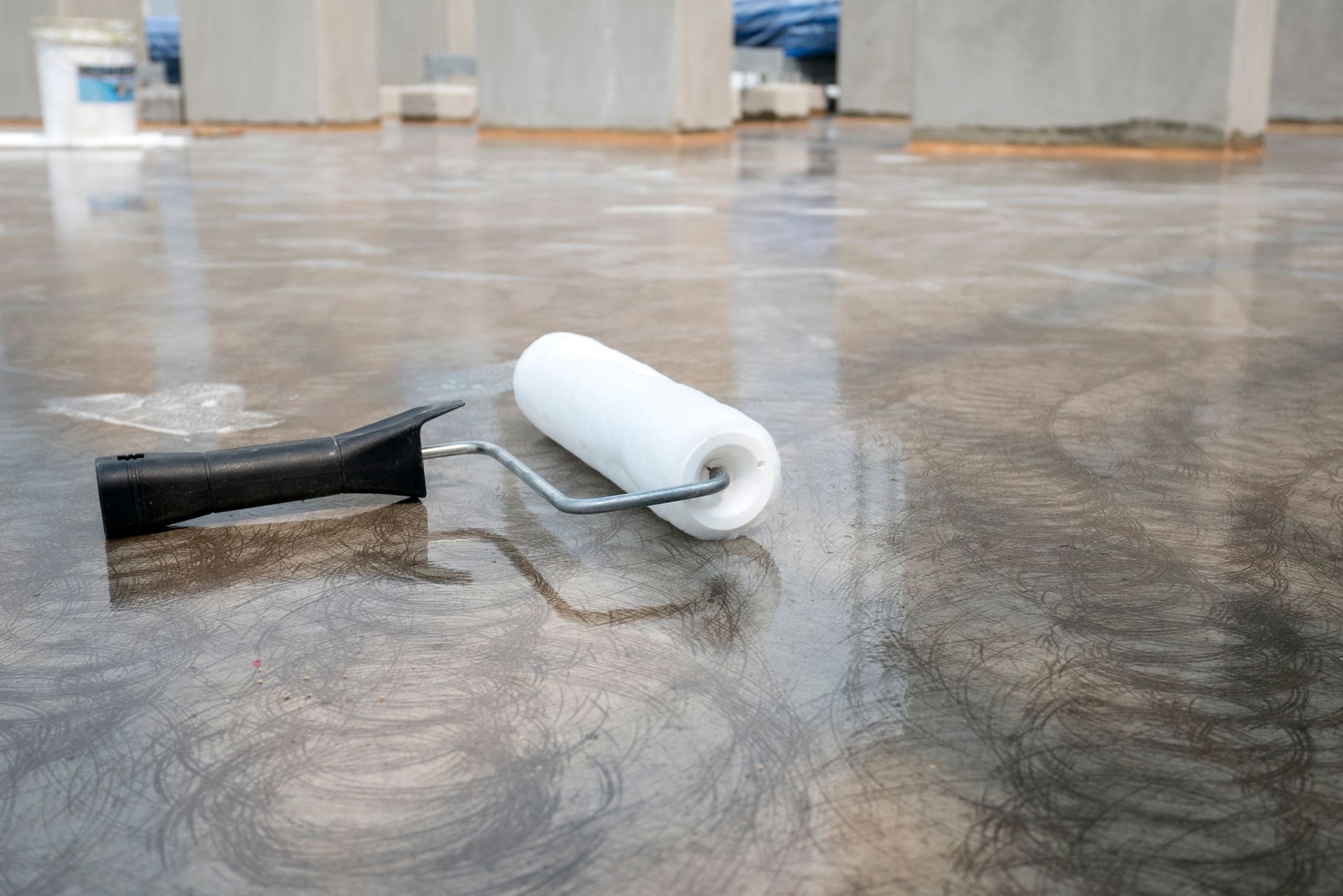
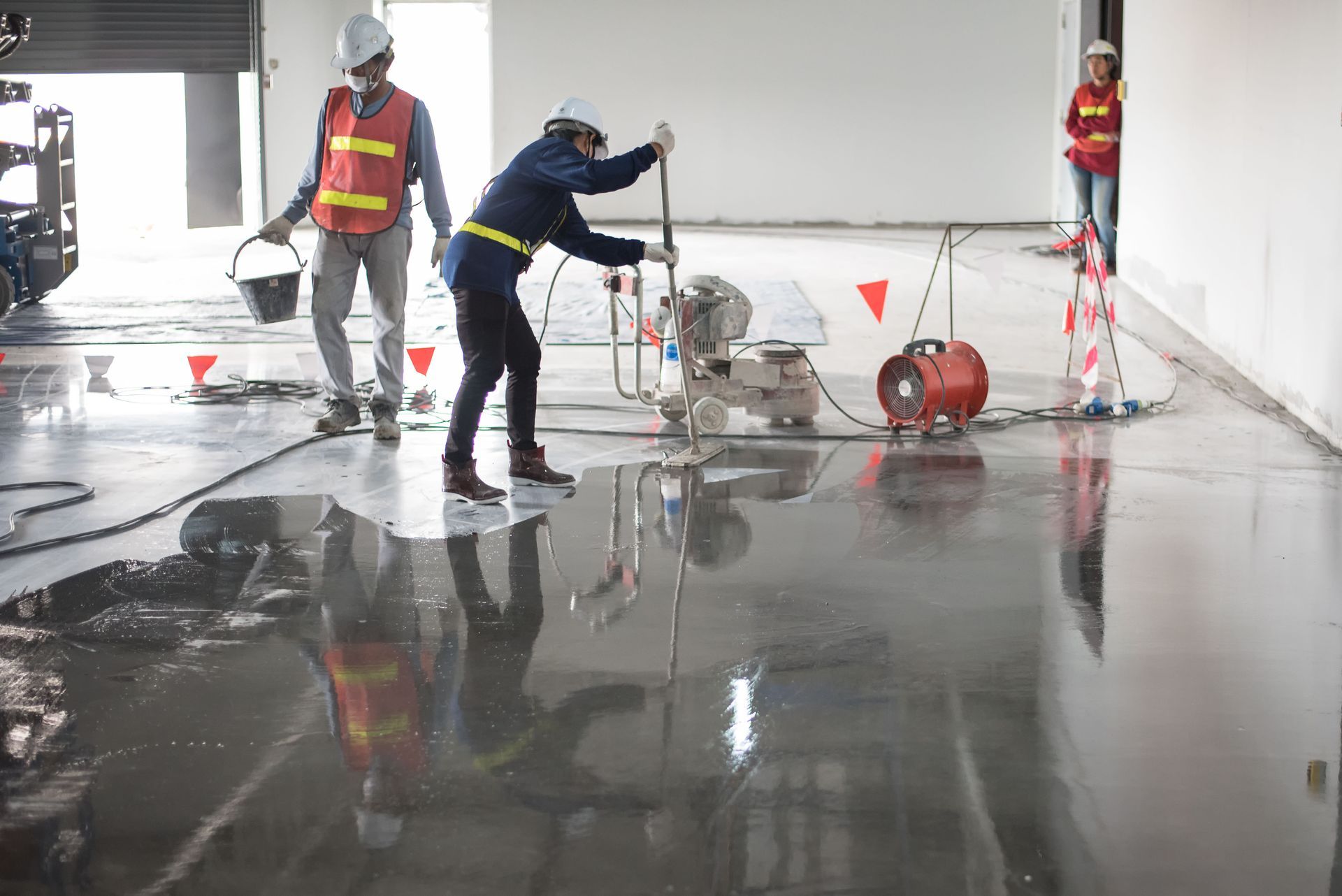
Proper care actually begins the moment the installation is completed. Many property owners make the mistake of assuming the floor is ready for heavy use as soon as it feels dry to the touch. Rushing onto the surface too early can permanently deform the chemical bonds and ruin the smooth finish.
According to data shared by HomeGuide, epoxy floors take several hours to dry depending on the specific type of formulation, but regardless of the variant used, you should avoid walking on the surface for 16 to 24 hours and refrain from driving vehicles on it for two to seven days. Allowing the material this dedicated time to fully cure ensures that the cross-linked polymers reach their maximum hardness and load-bearing capacity.
Preventing Scratches and Mechanical Damage
Although epoxy flooring is incredibly tough, it can still suffer from mechanical damage if subjected to extreme abuse. Sliding heavy metal toolboxes, dragging heavy machinery, or dropping sharp objects can gouge or chip the resin.
To prevent these accidental mishaps, place heavy-duty felt pads or rubber sliders under the legs of all heavy furniture, workbenches, and equipment. If you need to move heavy items across the room, lay down sheets of plywood or heavy cardboard to act as a protective barrier. Additionally, keep the paws of your pets trimmed to prevent their nails from leaving superficial scuff marks during high-energy play.
Protecting the Surface From Sunlight
Most standard epoxy formulations are sensitive to ultraviolet (UV) radiation from direct sunlight. Continuous exposure to UV rays can cause the epoxy polymers to discolor, often turning an unattractive shade of yellow or amber over time.
If your floor is located near large windows, open garage doors, or storefront glass, you should take proactive measures. Utilize blinds, UV-blocking window films, or shades during the peak hours of the day when sunlight streams in directly. Alternatively, ensuring that your floor is sealed with a UV-stable topcoat, such as a polyurethane or polyaspartic layer, will offer superior defense against solar discoloration.
Scrubbing Heavy Soil and Grime
Occasionally, high-traffic zones may accumulate stubborn grime, tire marks, or grease build-up that a standard microfiber mop cannot easily lift. In these scenarios, you will need to step up your cleaning approach without resorting to abrasive tools like steel wool or stiff wire brushes.
Use a soft-bristled scrubbing brush or a mechanical floor scrubber equipped with a soft white nylon buffing pad. Apply your pH-neutral cleaner to the area, let it sit for a few minutes to break down the grime, and then gently scrub in a circular motion. Once the grime is lifted, immediately vacuum up the dirty residue or wipe it away, then rinse the zone with clean water to restore the original luster.
Inspecting for Wear and Tear
Regular inspections allow you to catch minor surface issues before they transform into costly structural failures. Once every few months, take a few minutes to examine your epoxy flooring closely, paying special attention to high-traffic pathways, joints, and areas around heavy machinery.
Look for signs of hairline cracking, minor chipping, or areas where the topcoat seems to be wearing thin or losing its gloss. If you spot a minor chip or gouge, addressing it early prevents moisture from penetrating underneath the coating, which could eventually cause the surrounding material to lift or delaminate from the concrete base.
Are you ready to transform your concrete surfaces with a beautiful, durable finish, or do you need professional guidance on maintaining your existing installation? Contact our team of floor coating specialists at Chicagoland Concrete Coatings today to schedule a comprehensive consultation and discover how we can help you keep your property looking immaculate!